Creating Beautiful Places

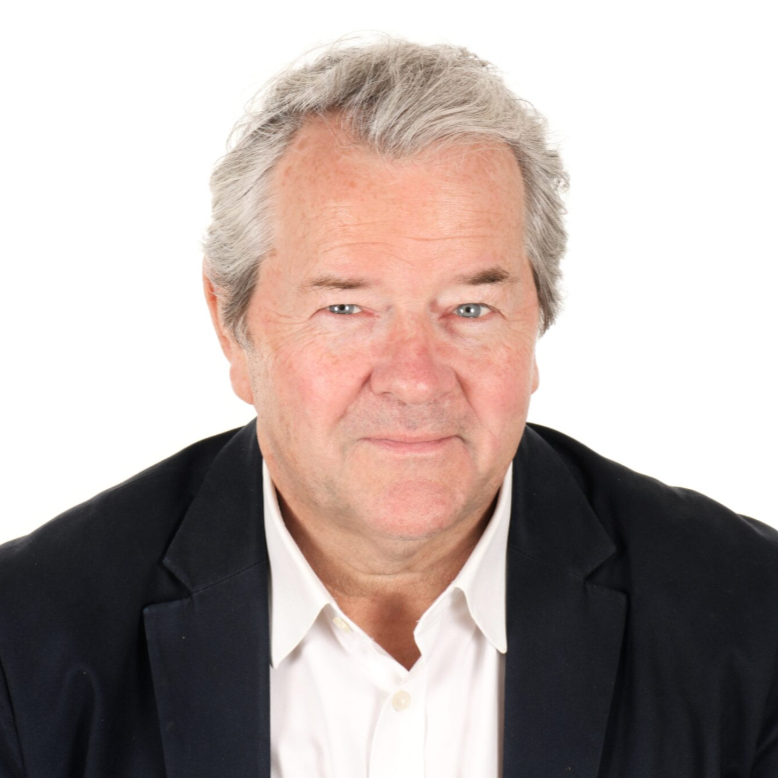
How do you scale a thriving consultancy without losing the creative spirit, intimacy, and care that made it successful in the first place? Douglas McCormick, Chief Executive Officer of Pegasus Group, shares how he is leading one of the UK’s foremost multidisciplinary development consultancies through its next phase of growth — while staying true to a clear purpose: to bring innovative thinking to create beautiful places that enhance people’s lives.

With 600 professionals across 15 offices, Pegasus combines expertise in planning, design, environment, infrastructure and heritage. Douglas explains how the firm has grown sector by sector by asking what sits adjacent to their existing strengths and adds value for clients, all while retaining what has always set Pegasus apart: deep relationships and exceptional people.

In this episode, Douglas reflects on leadership at the intersection of creativity, commerce, and community. He shares how clarity of purpose sets strategic boundaries, enabling Pegasus to decide where to invest and which opportunities to pursue. He talks about creating spaces people love to be in, the importance of listening to frontline teams, and why transformation requires both courage and generosity. His experience offers a compelling view of how organisations can grow with intention — balancing design ambition, commercial discipline, and the very human work of building places that matter.

Supported by Norman Broadbent:  https://www.normanbroadbent.com/
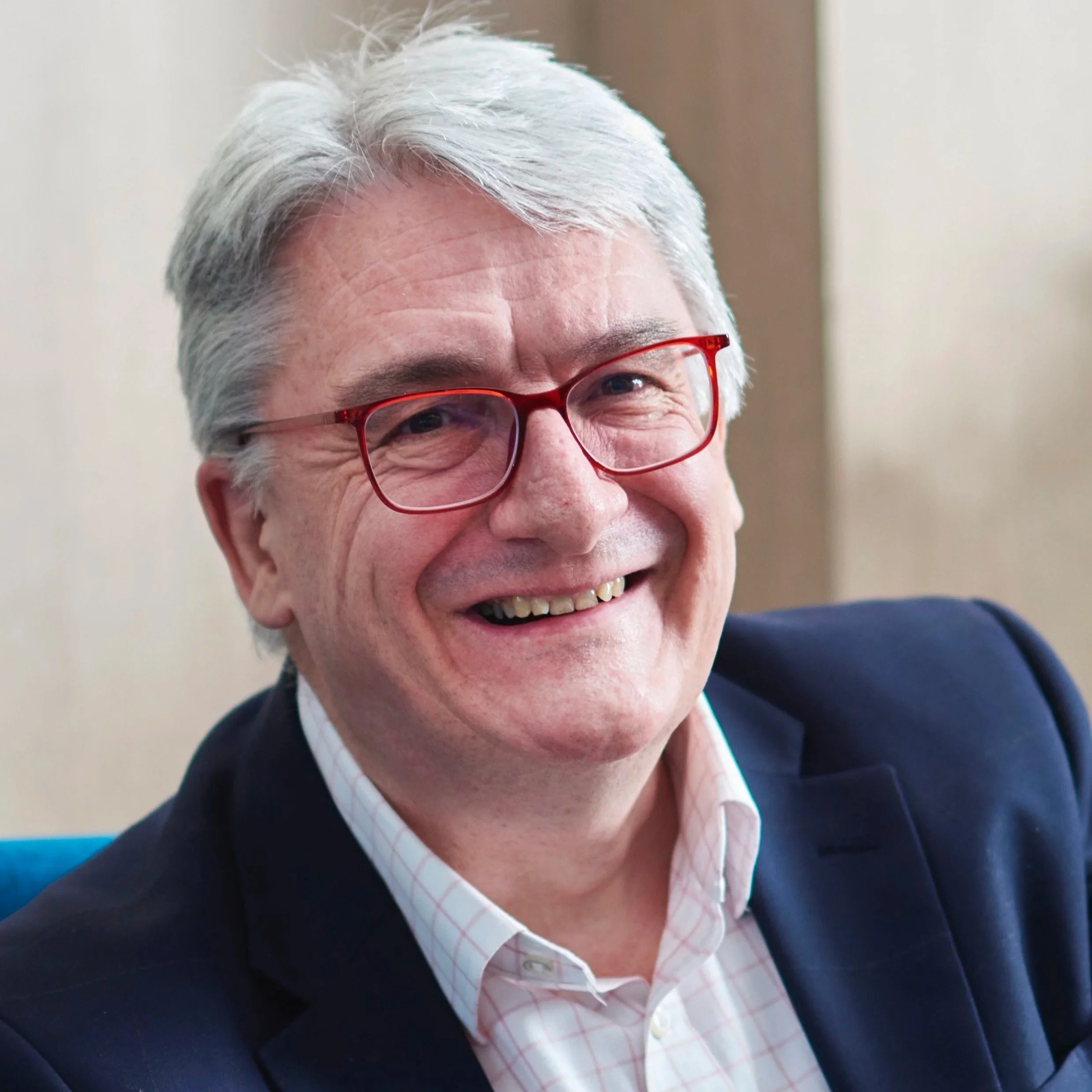
Douglas McCormick
Embracing a Possibilist Mindset

How do you modernise a 50-year-old financial mutual without losing the values that made it matter in the first place? Jim Islam, Chief Executive Officer of OneFamily, shares how he is leading one of the UK’s largest mutual financial organisations through a period of renewal—expanding its relevance, accessibility, and impact while staying true to its founding purpose of inspiring better futures.

Founded in the 1970s with a commitment to inclusion and long-term financial resilience, OneFamily has grown from a small London office into the UK’s largest Child Trust Fund provider, now supporting 1.5 million customers. Jim reflects on how the organisation has reinvented itself—diversifying its products, investing heavily in technology, and redesigning customer journeys—so that long-term savings and protection products remain meaningful and accessible for new generations.

In this episode, Jim explores leadership in purpose-led systems: why mutuals and cooperatives are experiencing a cultural resurgence; how deeply collaborative strategy-building creates genuine buy-in during transformation; and why innovation should start with people, not products. Drawing on his own experience of social mobility and a career spanning start-ups and large institutions, Jim offers a compelling perspective on possibility, trust, and the role financial services can play in building more resilient futures.

Supported by Norman Broadbent:  https://www.normanbroadbent.com/

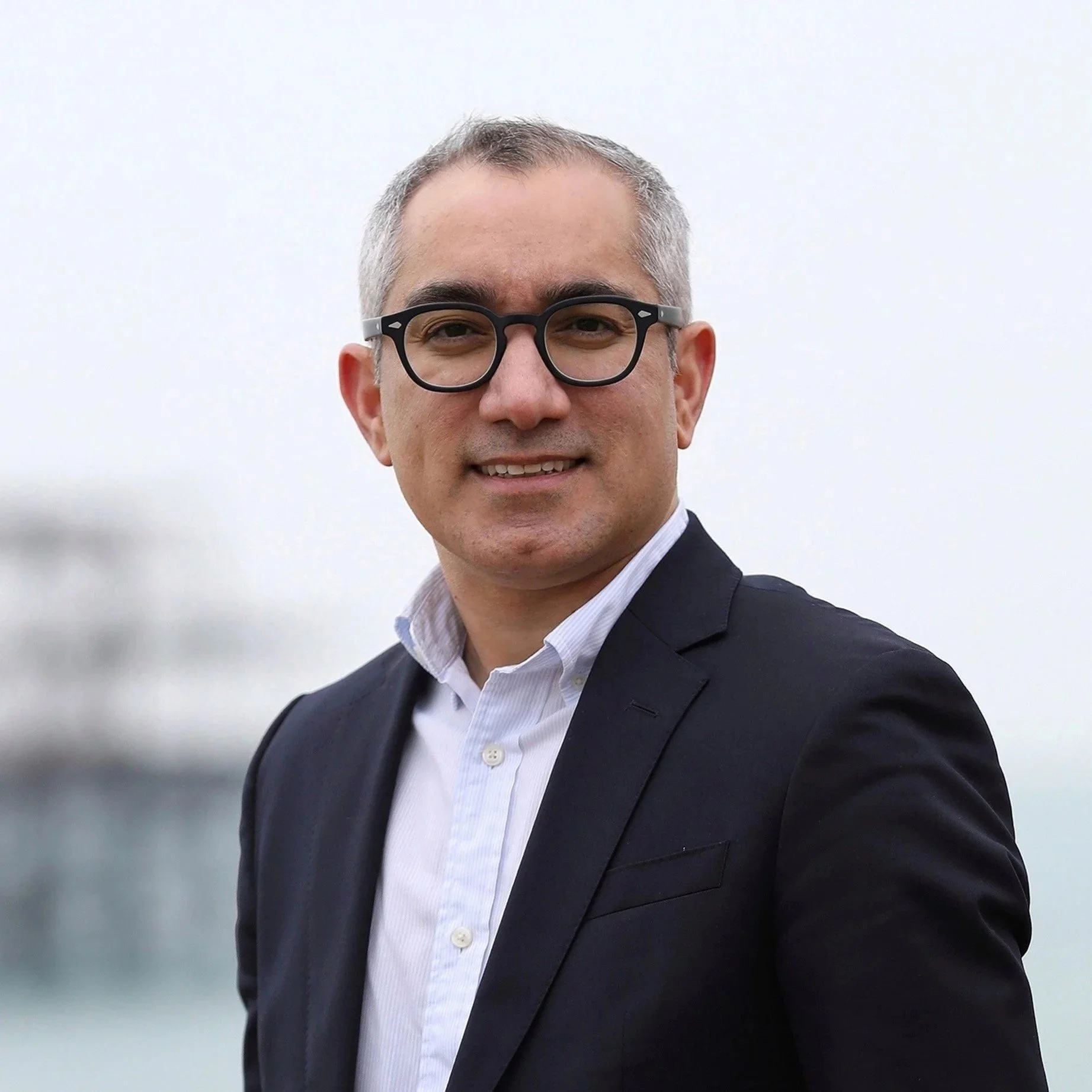
Jim Islam

Scaling Mobility Without Charity

How do you expand access to elite universities without relying on charity? Joe Seddon, Founder and CEO of Zero Gravity, shares how he’s building a mission-driven technology company that helps talented students from low-income backgrounds reach top universities and careers—by reimagining how social mobility is funded. What began in his childhood bedroom with the final £200 of his student loan has grown into a scaling organisation supporting over 15,000 students into higher education, including more than 1,000 to Oxbridge.

Zero Gravity now employs 25 colleagues, works with more than 40 enterprise partners, and has distributed £2.3 million in scholarships. Rather than viewing other charities as competitors, Joe sees his competition as the major consumer platforms that capture young people’s attention. Through a mobile app that breaks the journey into small, habitual steps, Zero Gravity redirects time from social media toward opportunity.

In this episode, Joe reflects on leadership and purpose: why strategic focus begins with deciding what not to do, how capturing data early enables future breakthroughs, and why organisational growth is not the same as impact. His story offers a fresh view on how technology, incentives, and entrepreneurial discipline can scale opportunity with precision—showing that when purpose meets innovation, the result can change lives at scale.

Supported by Norman Broadbent:  https://www.normanbroadbent.com/

Denise Massey

Transforming Accessibility in Travel

How do you redesign a transport system so it works for everyone? Jay Shen, Founder and CEO of Transreport, joins us to share how he is transforming accessibility in travel through purpose-led technology. What began as a single conversation about inequality has grown into the Passenger Assistance app—now used across the UK rail network and Japan, and recognised as one of the most accessible apps on iOS. His goal today is even broader: to establish a new global standard for inclusive travel.

Jay reflects on how Transreport’s hybrid B2C/B2B model delivers smoother experiences for disabled and older passengers while giving rail operators real operational value. He discusses the complexities of adapting the platform across 24 UK rail cultures and in new markets like Japan, and how this has shaped a system that can localise and flex to different needs. He also speaks to the trade-offs between innovation speed and making sure accessibility remains at the centre of every update.

At the heart of Jay’s philosophy is the belief that accessibility is delivered by people as much as technology. He explains why lived-experience users are embedded at every stage of development, why mission-aligned investors matter, and how AI could reshape how disabled people interact with travel systems. His message is simple: accessibility can no longer be an afterthought—and when you design for disabled communities, you improve travel for everyone.

Supported by Norman Broadbent: https://www.normanbroadbent.com/

Jay Shen

Reimagining the Legal Function at Scale

How do you lead a global legal services pioneer through a period of profound market disruption? Daniel Hayter, Managing Director and Vice President for Europe at Axiom Law, shares how he is helping one of the world’s largest providers of flexible legal talent transform the way in-house legal teams operate, resource, and create value.

Since joining Axiom in 2021, Daniel has overseen the firm’s growth across the UK, Germany, and Switzerland. Axiom, credited with inventing the alternative legal services category 25 years ago, now supports over 3,500 legal departments worldwide, with more than 1,500+ legal professionals in Europe alone. Its model blends flexible legal talent, deep multi-industry expertise, and emerging AI capabilities.

In this conversation, Daniel reflects on what it means to lead during a tipping point for the legal profession. He explores the misconceptions law leaders hold about AI, and why organisational readiness matters more than tool selection. His message is clear: today’s turbulence is an opportunity for leaders to think differently and create greater value.

Supported by Norman Broadbent: https://www.normanbroadbent.com/

Daniel Hayter

Pursuing an Original Purpose Through Change

How do you modernise a hospital with more than a century of history without losing what makes it special? Jeremy Butler, Chief Executive Officer of King Edward VII’s Hospital, shares how he’s leading one of London’s most respected independent hospitals through a period of strategic renewal—honouring its charitable mission to support veterans while preparing it for a sustainable future under new ownership by Bupa.

Founded in 1899 to care for soldiers returning from war, King Edward VII’s Hospital has long been known for combining exceptional clinical standards with compassion and equity. Jeremy explains how the hospital is changing ownership to stay true to its original purpose while growing its services, refining its self-pay offering, and further enabling its charitable work.

In this episode, Jeremy reflects on leadership in complex systems: why transformation depends on clarity of purpose, consistency, and kindness; how to “blame the process, not the person”; and why innovation should always start with solving real problems. His story offers a thoughtful look at how legacy institutions can evolve with integrity, leading with both precision and heart.

Supported by Norman Broadbent: https://www.normanbroadbent.com/

Jeremy Butler

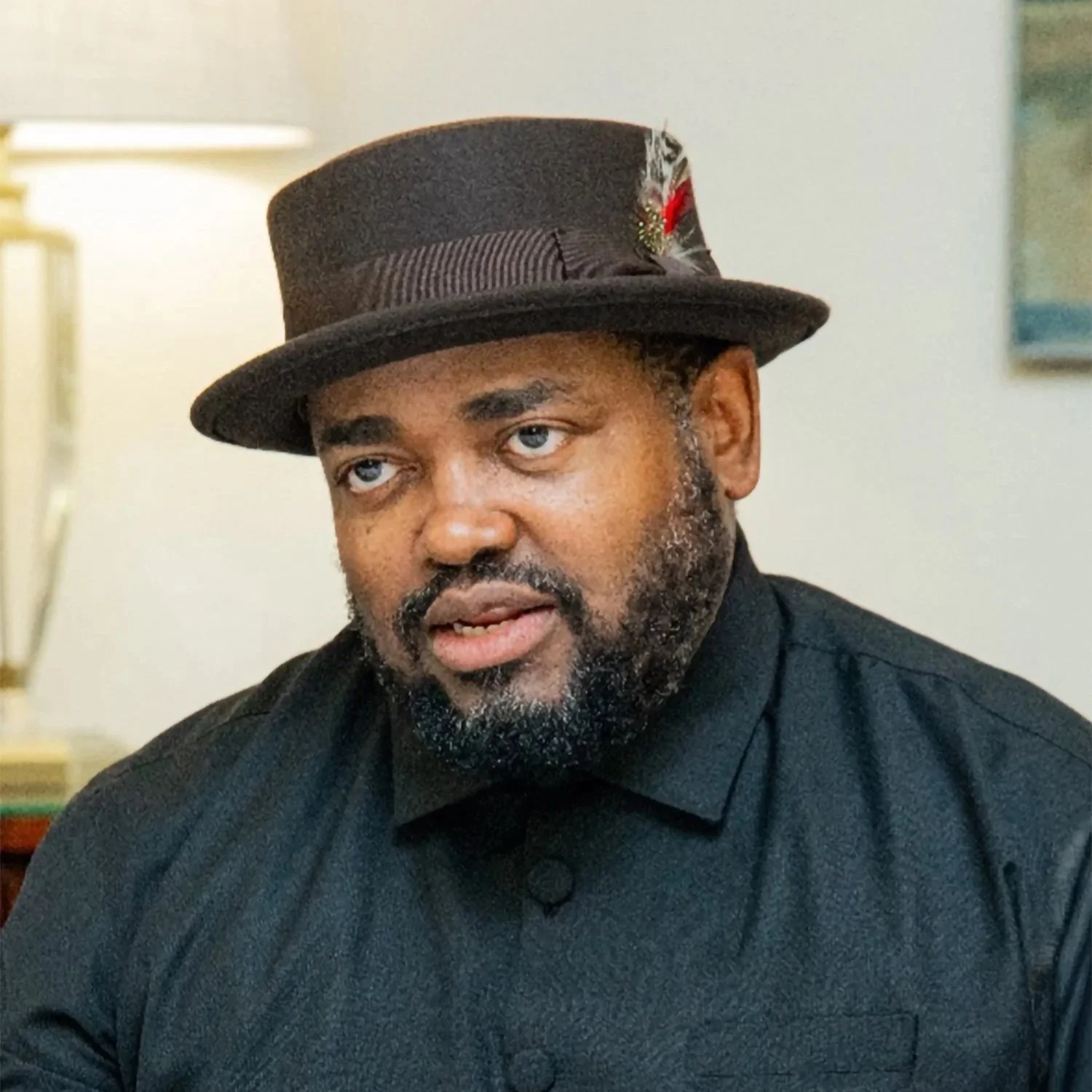
Financing Change: Building a Sustainable Future at Bboxx

How do you turn energy access and infrastructure into long-term development? As CEO of Bboxx, Anthony Osijo is leading a new phase of growth for the data-driven super platform transforming access to essential services across Africa—from clean energy and cooking to e-mobility and smartphones.

Drawing on over two decades in global finance, Anthony has guided Bboxx through a strategic reset, embedding commercial discipline into purpose-led growth. Under his leadership, the company has expanded its reach across multiple African markets, deepened partnerships with governments and investors, and strengthened its use of technology and AI to manage distributed infrastructure and financing models.

In this episode, Anthony reflects on how energy access multiplies opportunity and why bridging the gap between impact, change, and financing is essential to building sustainable, scalable systems of opportunity.

Supported by Norman Broadbent: https://www.normanbroadbent.com/

Anthony Osijo

Scaling Taste and Purpose

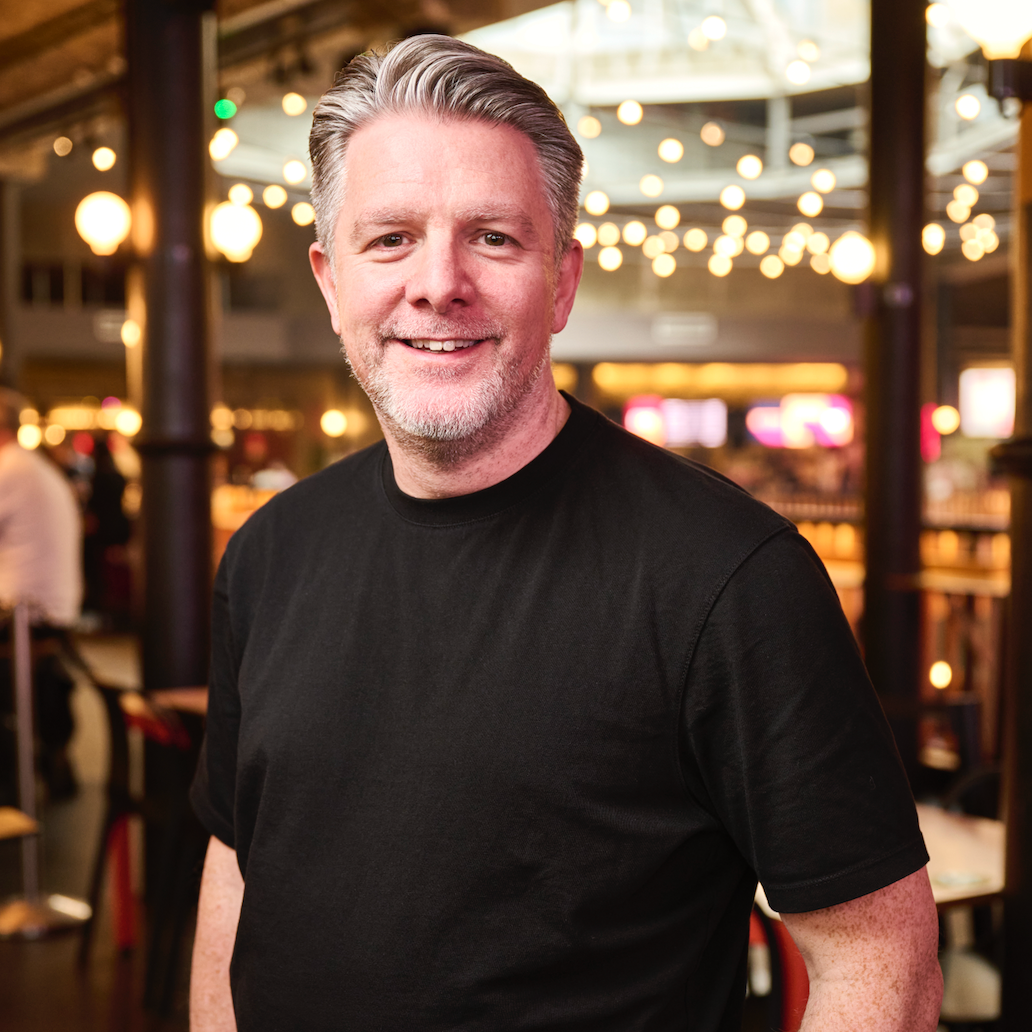
Simon Mitchell, CEO of KERB, returns to The Purposeful Strategist to share how the business has grown from a London street food collective into a multifaceted hospitality brand with a clear social mission. This year, KERB has opened new sites in Canada Water, Berlin, and Spitalfields while strengthening its separate commercial ventures and social enterprise. Through its incubator and coaching programmes, KERB has now donated over £1 million to help people from disadvantaged backgrounds start their own food businesses.

In this episode, Simon reflects on what it means to grow while staying true to purpose—balancing commercial success with authentic community impact. He discusses how customer and community feedback shape their next moves and why every KERB location is designed to be distinct, local, and full of personality.

Looking ahead, Simon shares how KERB is exploring new ways to expand its impact, from tackling food waste and improving supply chains to advocating for the UK’s hospitality sector. At its core, KERB remains driven by the same question that started it all: how can great food create opportunity, connection, and change?

Supported by: https://www.normanbroadbent.com/

Simon Mitchell

©2015 - 2021. Menkus & Associates is registered in England & Wales under company number 03658410.

52 Bovingdon Road, London, SW6 2AP